
COP31 showed how wide the gap is between commitments and delivery
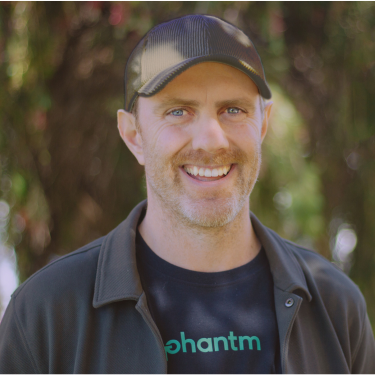
I have just returned to Australia from COP31 in Antalya, where more than 100,000 people gathered from across the world. The scale, diversity and energy are extraordinary. Getting around Antalya has been incredibly difficult, and the security presence is heavy, but the primary source of my frustration comes down to something much more fundamental.
We already have many of the plans and technologies needed to address climate change. The delivery of them is where we continue to fall short.
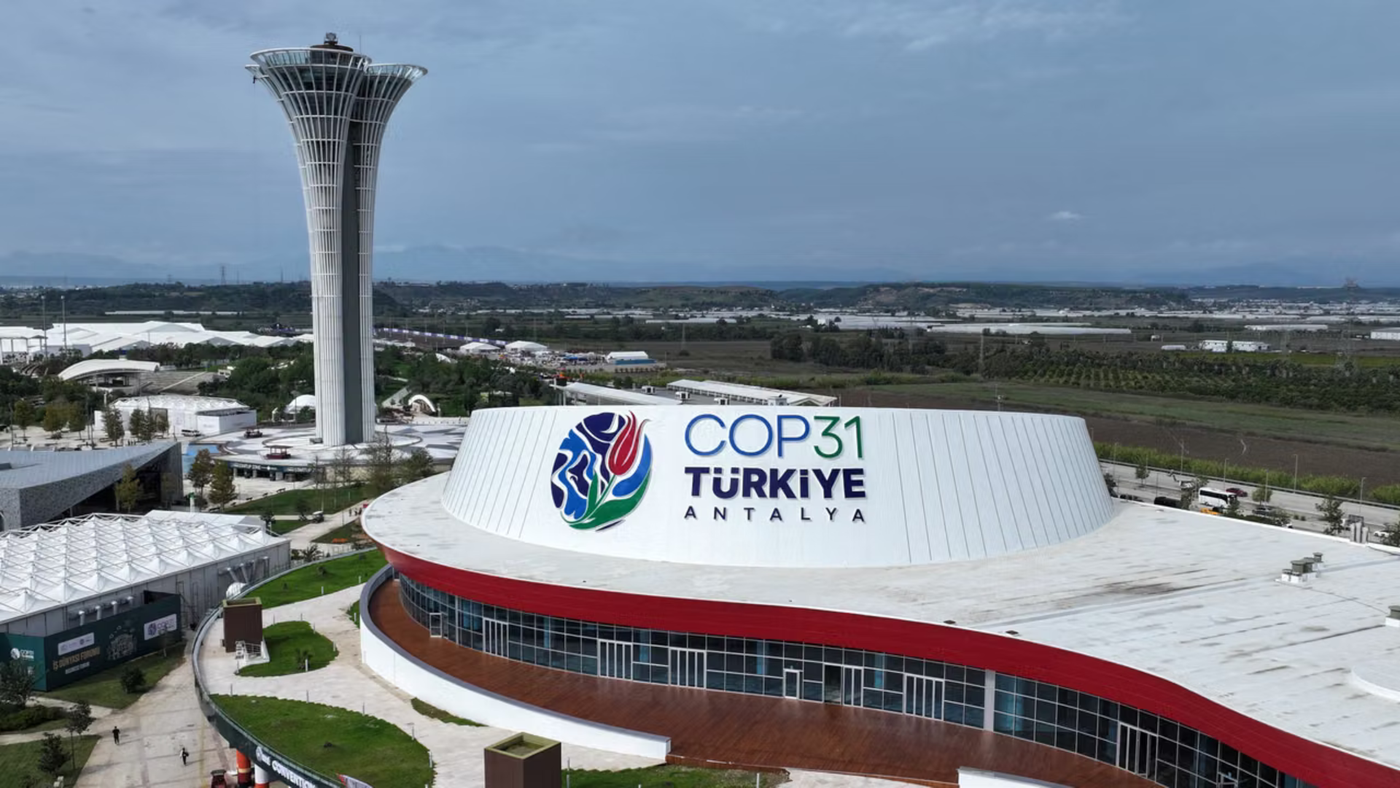
An enormous execution gap
One of the most striking figures shared in Türkiye was that, if countries and companies had delivered on past COP pledges, global warming would be tracking near 1.7°C. Instead, the trajectory being discussed is between 2.5°C and 3°C.
That is an enormous gap created through commitments that did not become action.
Electrification has been at the centre of the conversation. I heard UNFCCC Executive Secretary Simon Stiell frame the choice as “electric or shock”. Countries can rewire for the electricity age, or continue absorbing the growing costs and instability of fossil fuels.
There is still genuine disagreement about what electrification means in practice. Türkiye presented it as an economic and climate opportunity. Others warned that it could become a Trojan horse for continued fossil fuel use if new electricity demand is supplied by the same old system.
The clearest message was that efficiency should come first. It remains the fastest and cheapest first move. Geothermal, nuclear and modular nuclear were also firmly on the table. The technology exists. Political will continues to be the blocker.
Even in the United States, where the political signals are confused, energy chief executives spoke about continuing to add clean energy because the market and the economics are moving in that direction.
We need to turn the tap off
Much of COP31 has focused on finance for loss and damage. That funding is vital for communities already experiencing climate impacts. Yet I heard far less about stopping emissions at their source.
We need both, with much more attention directed upstream.
The same principle sits behind extended producer responsibility. If a system keeps creating waste or emissions, dealing with the consequences at the end of the supply chain will never be enough. Design, production and investment decisions shape the outcome long before disposal, clean-up or compensation begins.
Australia is building the grid of the future while exporting the fuels of the past
Australia was described here as the “Rolls Royce” of solar and battery implementation. Our standards, installation practices and safety systems are seen as rigorous, particularly compared with some of our regional neighbours.
That is something we should be proud of and build on.
I was also struck that the Prime Minister's speech did not name fossil fuels as the problem. Strong implementation standards are valuable, but leadership also requires clarity about what the transition is moving away from.
First Nations leadership must shape the response
Some of the most important contributions came from First Nations speakers. They made clear that climate damage reaches far beyond physical assets or economic output. It affects culture, identity and traditional knowledge built through deep relationships with Country.
The call I heard was for Indigenous peoples to help lead climate solutions. Their knowledge and authority should shape decisions from the beginning.
AI needs clean energy and clear limits
AI remained a major theme, just as it did at Climate Week in New York. One comparison shared here was that US golf courses use far more water than data centres. It was a useful reminder to keep the scale of different impacts in perspective.
And speaking of perspective, A Harvard University study published in Nature Sustainability reveals that the 403 largest U.S. "hyperscale" data centers (primarily handling artificial intelligence workloads) emit roughly 25.7 million metric tons of carbon dioxide annually.
That's equivalent to Denmark's annual emissions.
Thankfully, there were also signs that lighter infrastructure is coming. HP was used as an example of how distributed data centres and local AI could reduce demand on energy-intensive cloud systems.
AI could accelerate environmental research and action, but that doesn’t overcome the political will problem. And, importantly, it will not resolve income inequality, especially in communities where access to reliable and affordable energy is limited. One of the stronger views expressed here was that AI and data centre growth should be constrained in places where clean energy supply cannot keep pace.
Credible action requires credible data
Again and again, the discussion returned to data. Governments and businesses cannot deliver credible climate action if they cannot see what is happening, identify the biggest sources of impact and measure whether an intervention worked.
Packaging compliance and commitments face the same challenge. They become useful when businesses can connect them to decisions about products, materials, suppliers and investment. Reliable packaging data helps teams see where impact sits, act upstream, prioritise effort and report progress honestly.
Building that evidence is where we spend our time at Phantm. The plans exist. The tools exist. Delivery requires the courage to implement them.
Build the data that delivery requires
If your organisation needs a clearer, more credible view of its packaging, talk to Phantm about building the data foundation for better decisions and measurable action.
See how Phantm structures your packaging data.
Talk to our team to walk through supplier collection, validation and reporting.